 As you may be aware I promised to outline my approach to working with Dogs and their Owners, an approach I refer to as Holistic – that is trying to understand the dog, their owners, circumstances and environment as well as the specific issue or concerns that I am asked to support them with.
 Every dog is unique and its physical traits, behavioural traits, personality type, energy level and ‘issues’ are the product of a broad range of factors including (but not exclusively) these listed below;
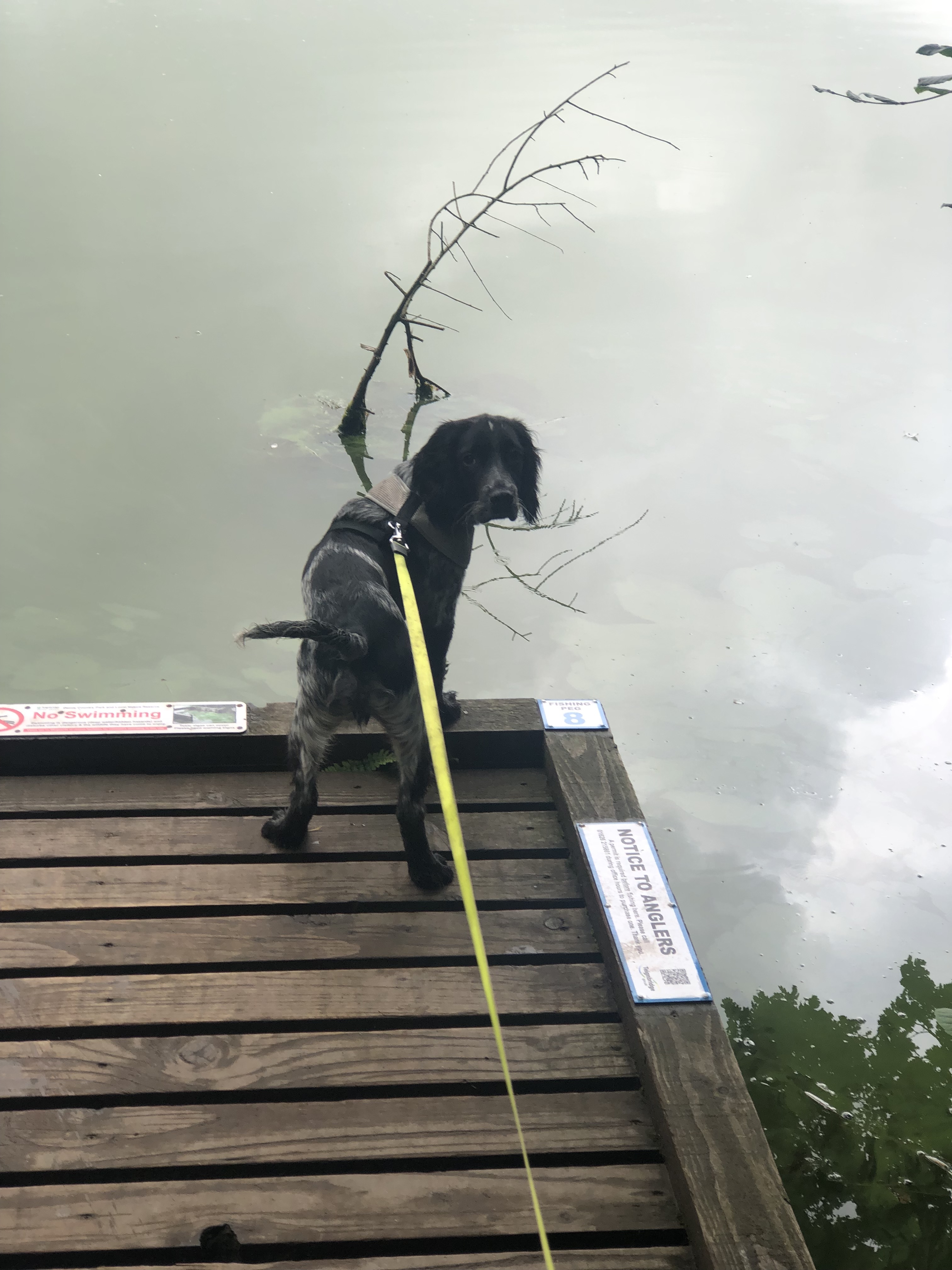
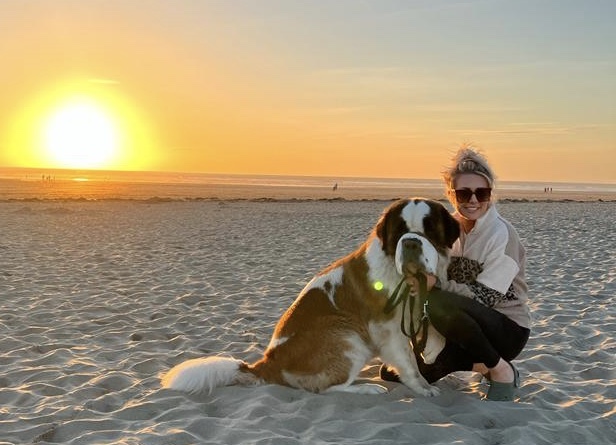 Breed – dogs are the product of domestication and selective breeding for thousands of years, to fulfil specific roles, be they guardian, herder, terrier, sight, scent, bull, toy and so on. To understand a dog you need to consider their genetics and the predispositions and potential this gives them. But breed is not the defining characteristic of a dog, however it is a useful indicator! Know how the dog is likely to behave, its probable size, exercise and grooming needs, its potential to react to external factors and people may all be genetically determined. In blunt terms its rarely a good idea to get a Cocker Spaniel or Border Collie if you prefer the sofa to the great outdoors. (There are of course dogs that prove the exception – like the 50KG Neapolitan Mastiff that just wants to run around the woods and fields all day!)
 The Individual dogs breeding background and early experiences – Is the dog from a long line of working dogs, family pet or show dog? Different breeding will potentially influence a dogs likely development and future behaviour. Early socialisation with the litter mates and mother (or dam) may influence elements of personality and patterns of learned behaviour. Dogs raised in a family home and exposed to a broad range of human environments, may adapt to life as a pet more easily than a puppy from a commercial breeder whose concern for the puppies welfare is profit motivated.
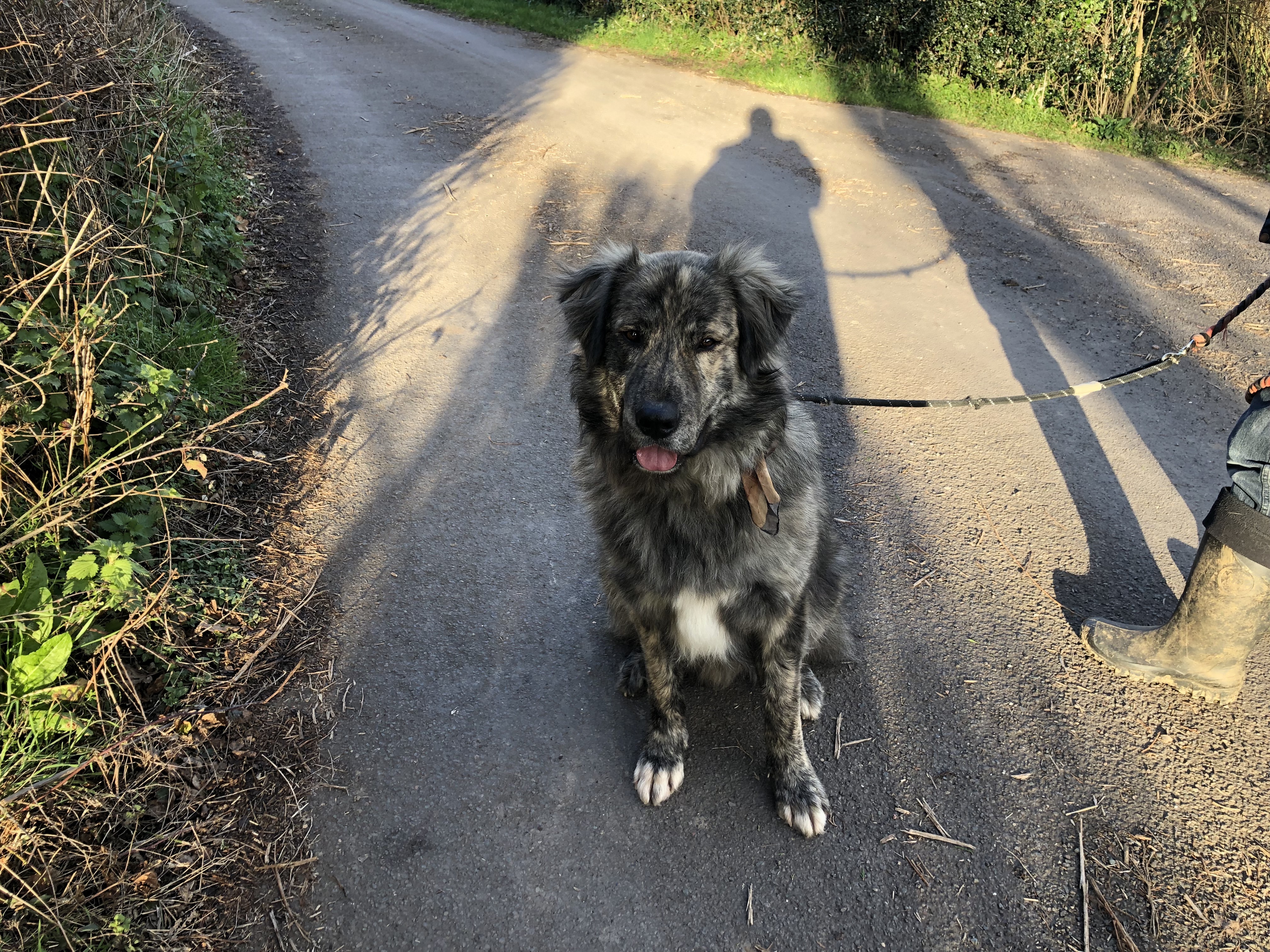 Life stage of the dog; puppy, adolescent, adult, elderly – Dogs like humans have distinct life stages, they change, develop and adapt to each with varying degrees of success. It’s a sad fact that a large number of dogs put up for adoption/rehoming are in the adolescent stage – where like humans – they can be a little bit challenging, especially when we compare them to the younger version of their selves…
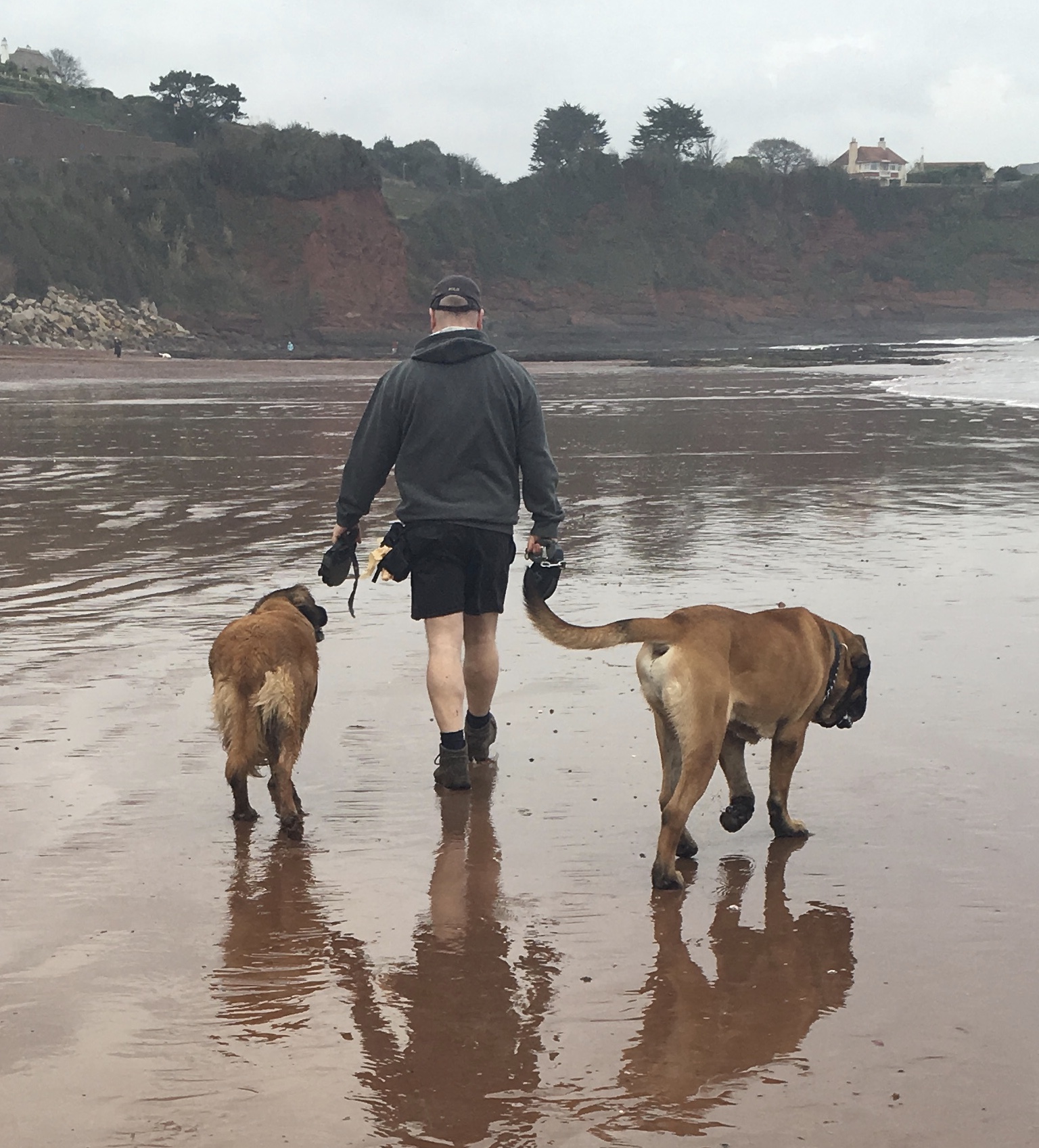 Rescue dog – Rescue it’s an old phrase but still valid – “Rescue – my favourite breed!” However rescues can come with a range of additional issues and blanks in their CV that mean their families may need to start from the beginning of training and socialisation. But rest assured the vast majority of rescue dogs make the transition to their new family and home successfully, even those joining us from a totally different climate, culture and circumstance.
Health issues and conditions – Dogs behaviour is affected by their physical well-being. A healthy dog may develop and behave along the expected trajectory, however a dog that struggles with inherited genetic illnesses or conditions, or suffers from disease may not be so lucky. Conditions that cause pain or discomfort may make the dog irritable or unpredictable. Sudden changes in behaviour in a dog, may be the result of illness – so as a first step, always get them checked over by a competent Vet.
Injuries – As with illness and conditions, injuries can impact significantly on a dogs behaviour and personality. It may in turn effect your ability to exercise the dog properly, which may create further issues. Joints, pads, spine, jaw, eyes and ears etc can all impact on a dogs well being and may require careful consideration in order to manage them effectively for your dog. As above Sudden changes in behaviour in a dog, may be the result of pain – so as a first step, always get them checked over by a competent Vet.
Socialisation – as well as the crucial early stages of puppyhood, dogs benefit from planned socialisation that allows them to adapt to and absorb the many factors that they will encounter throughout their life as a pet. Other dogs of various breeds and ages, humans of all life stages genders, cultural backgrounds, noises, vehicles, environments etc. Familiarity will help your dog adapt to and accept human environments more easily. Poor or a lack of good socialisation – “lock down puppy syndrome” – can lead to a number of behavioural issues for dogs.
Home environment – what type of environment does the dog live in, house, flat, garden, access to outdoors, nearby parks, urban or rural etc. Where does the dog sleep or go to, which rooms can it access, is it crated, solo or multiple dogs/other pets. Potential causes of stress or excitement
Family structure and membership – How many humans does the dog share the house with on a permanent, part time or occasional basis. How do the different members of the family interact with the dog, variations in behaviour and response from the dog.
Daily schedule week days/ weekend – How does the dog spend its day? During the week and at weekends? How much contact time does the dog have with its family?
Exercise routine – One of the most important areas in terms of potential impact on the well being of the dog, its physical and mental health and behaviour. Too much or too little exercise can have significant implications for you dog and its family!
Diet and delivery method/schedule – As the old saying goes – rubbish in, rubbish out – both literally and in a more general sense. There are a huge range of options for dogs diet, some good, some excellent and some that might be at the root of a range of potential issues!
Recent changes or significant event ie family or routine changes, loss of other dog etc – Dogs like humans are affected by changes in their environment – it many cases this can be worse as the dog has no control over the environment and situation it lives in, but stress and anxiety will be expressed in the dogs behaviour, mental and physical health. There are many approaches that can help dogs and owners successfully manage the challenges life throws at us.
Prior training home or professional – It’s important to know what previous training the dog has received and the approach used to deliver the training – as well as its success, or otherwise! Puppy classes, professional training, family following a specific book or approach to dog training accessed through the internet. Some approaches are more effective and some are more ethical. One of the issues is the sheer amount of advice out there and the often contradictory nature of it…
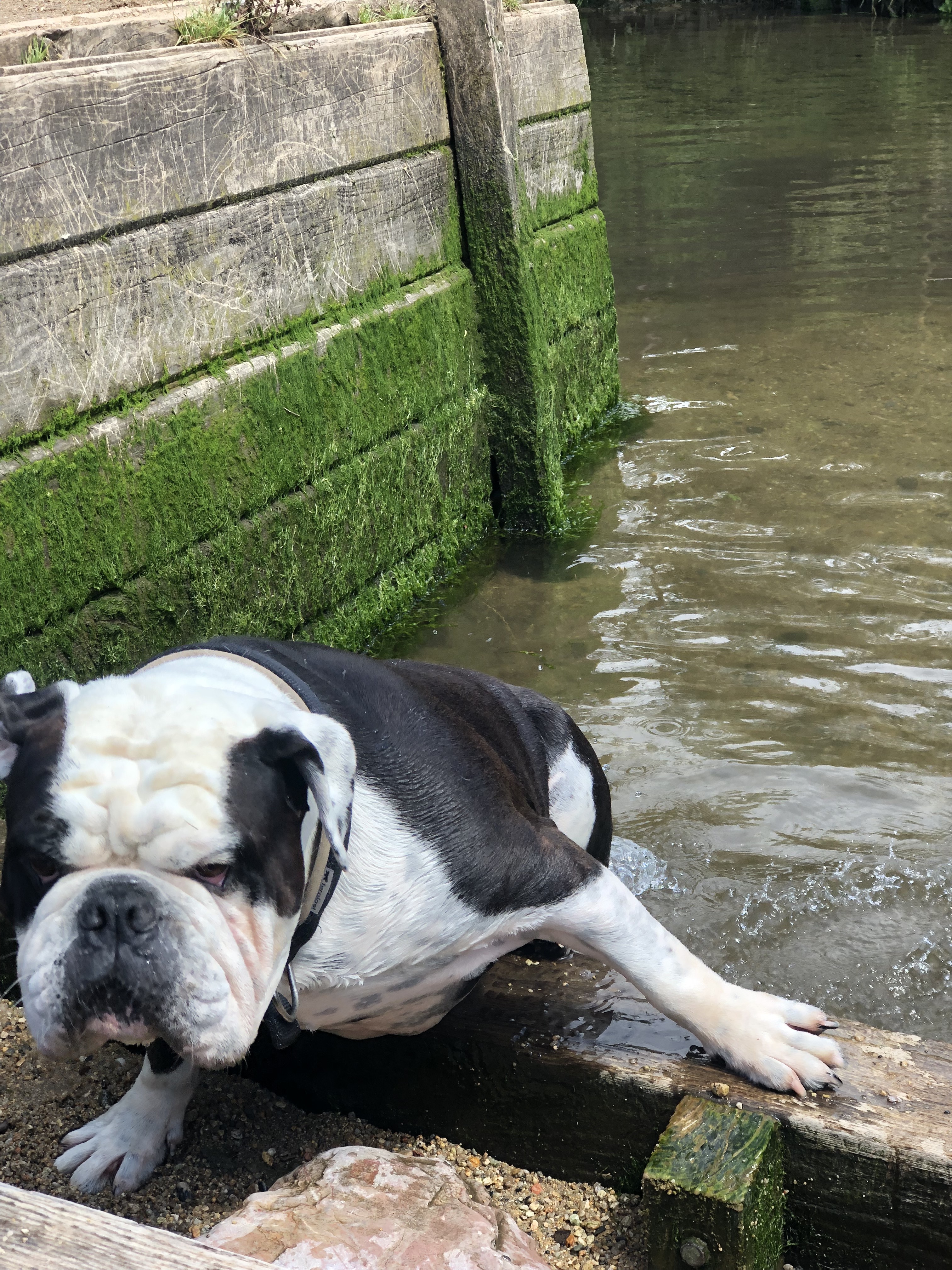
Owners previous dog history – First time dog owner, dog as a child, lots of experience the variations are endless. In some case issues with dogs may result from previously effective care and lifestyle, not being suitable for a dog with different breed characteristics. An Old English Bulldog owner changing to a Springer Spaniel might not expect the change in exercise required to be quite as extreme as it might be. Equally a Springer Spaniel owner going the other way to an Old English Bulldog, might be shocked by the different response to training of the Bulldog when compared to the Spaniel!
Other areas of discussion may include the following points, issues and concerns.
Likes and dislikes ie ball toy chew food rump scratches
Mental stimulation opportunities
Collar or harness type
Reactive – dogs other animals
Reactive – people
Reactive- vehicles other
Other issues
Loose lead walking
Off lead walking
Recall
Jumping up
Resource guarding
Barking
Mouthing & nipping
Well being
Nervous
Anxiety
Fear
Obsessions
Isolation anxiety
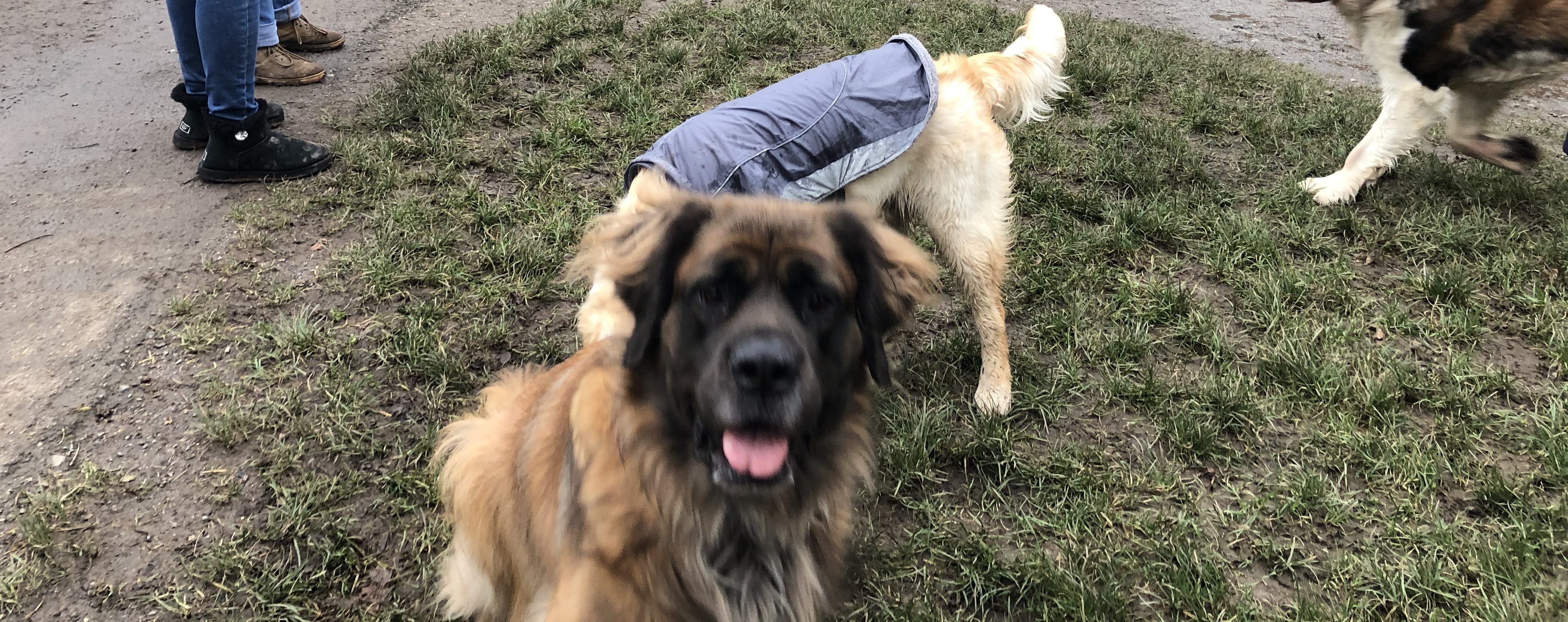 Understanding a dog, its behaviour, welfare and well being is not a simple task. Meeting the client, the dog(s), walking them, observing them interact with their family and other dogs. In addition to the initial assessment helps to gradually develop an insight and hopefully understanding of the dog and its issues. More importantly, this will hopefully provide the answers that allow us to change the dog (or the owners) behaviour in order to achieve our goal of Happy Dogs, Happy Humans, Happy Days.
 D4Dog Walking, Training and Behaviour Support -Newton Abbot & TQ12
Leave a comment